Expertise
The operations, and the reasons for them.
Cosmetic rhinoplasty sits beside FESS, tonsils, and ear surgery — a line taught by his father, Dr. Fasih Ullah Mir — and two procedures he pioneered in Pakistan: Eustachian tube dilatation (2024) and sialoendoscopy (2025). Advanced sinus work uses microdebrider, laser, and balloon sinuplasty; skull base and laser-assisted head and neck cancer complete the list. What is listed here is discussed, not sold.
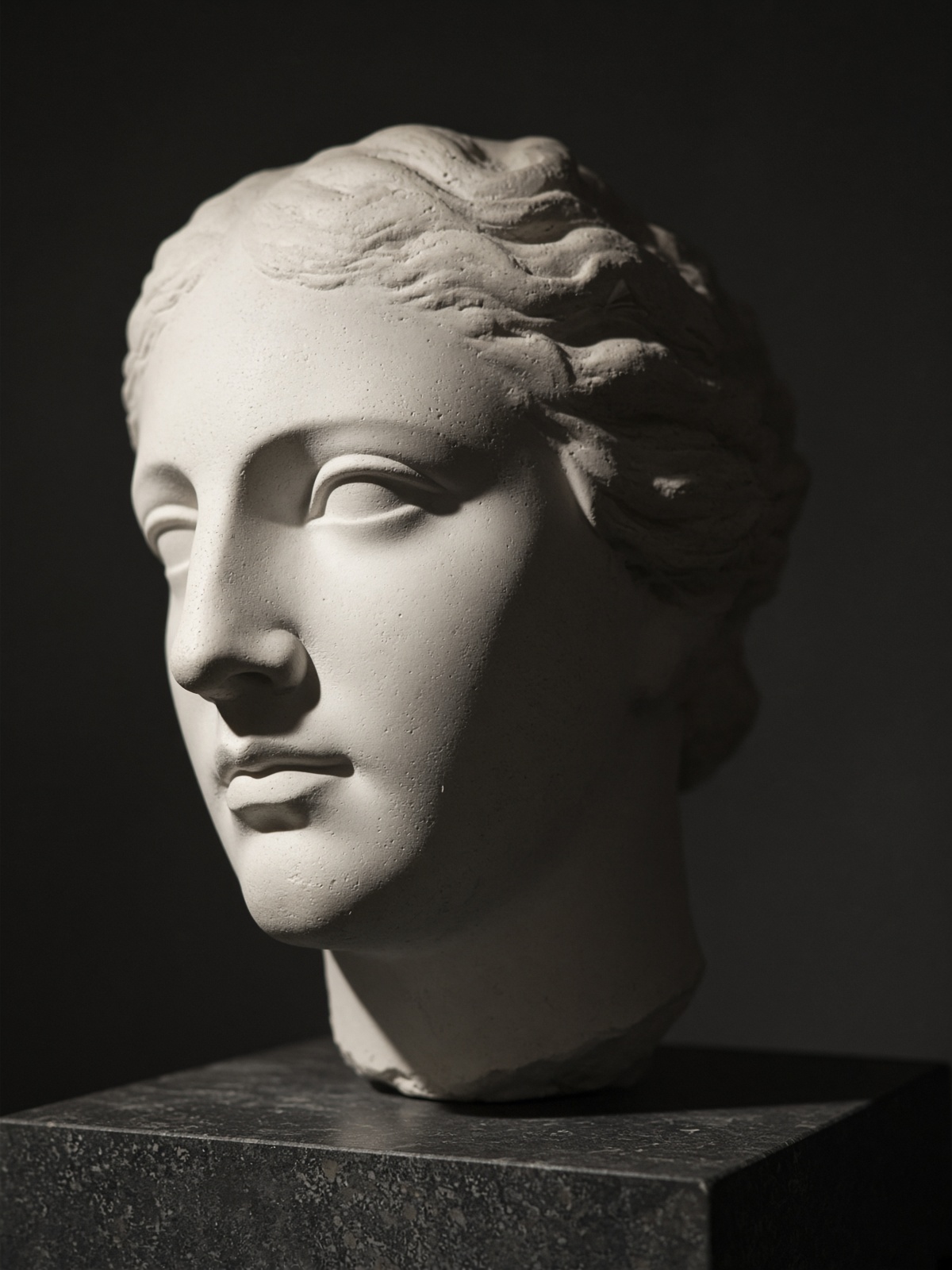
01 · Form and airway, planned together
Rhinoplasty
Dr. Mir’s rhinoplasty practice treats the nose as both a central feature of the face and a living airway. Consultations consider facial proportion, septal deviation, turbinates, and the patient’s own goals. Minimally invasive technique, limited scarring, and a recovery that many patients describe as far less painful than they expected are recurring themes. Advanced structural rhinoplasty, with over 90% patient satisfaction reported in clinic follow-up.
- Cosmetic and functional rhinoplasty
- Septoplasty and correction of deviated septum
- Revision and structural alignment
- Advanced rhinoplasty, over 90% patient satisfaction
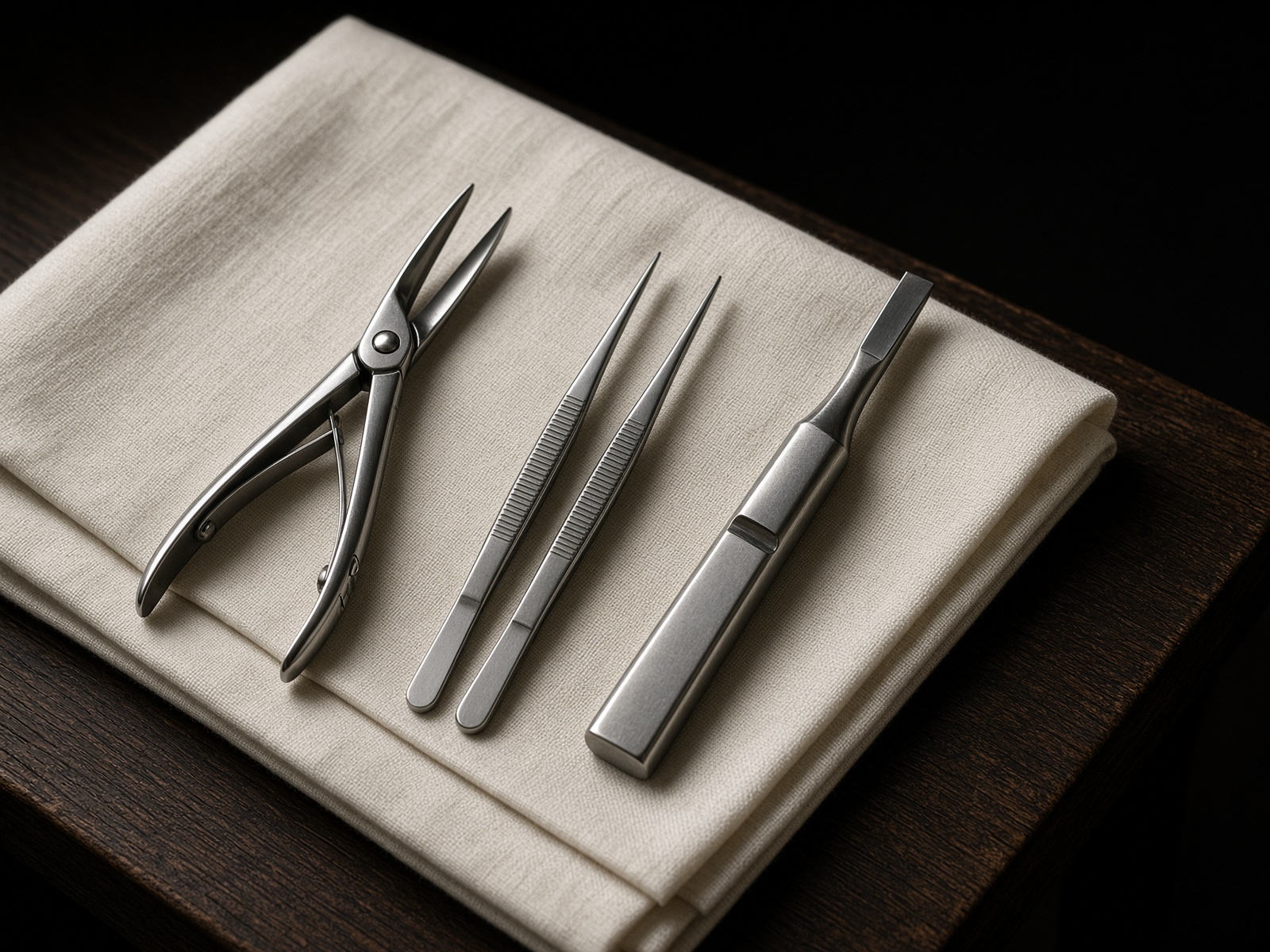
02 · Clear the pathway, keep the anatomy
Endoscopic sinus surgery
When medicine is no longer enough, endoscopic sinus surgery can open blocked ostia, remove polyps, and treat chronic infection while preserving healthy mucosa. Advanced cases use microdebrider, laser, and balloon sinuplasty. Related nasal work includes endoscopy, allergy-related care, and management of epistaxis and nasal injury.
- Functional endoscopic sinus surgery (FESS)
- Microdebrider and laser-assisted sinus surgery
- Balloon sinuplasty
- Nasal polyps and chronic sinusitis
- Nasal endoscopy and diagnostics
- Septoplasty and airway procedures
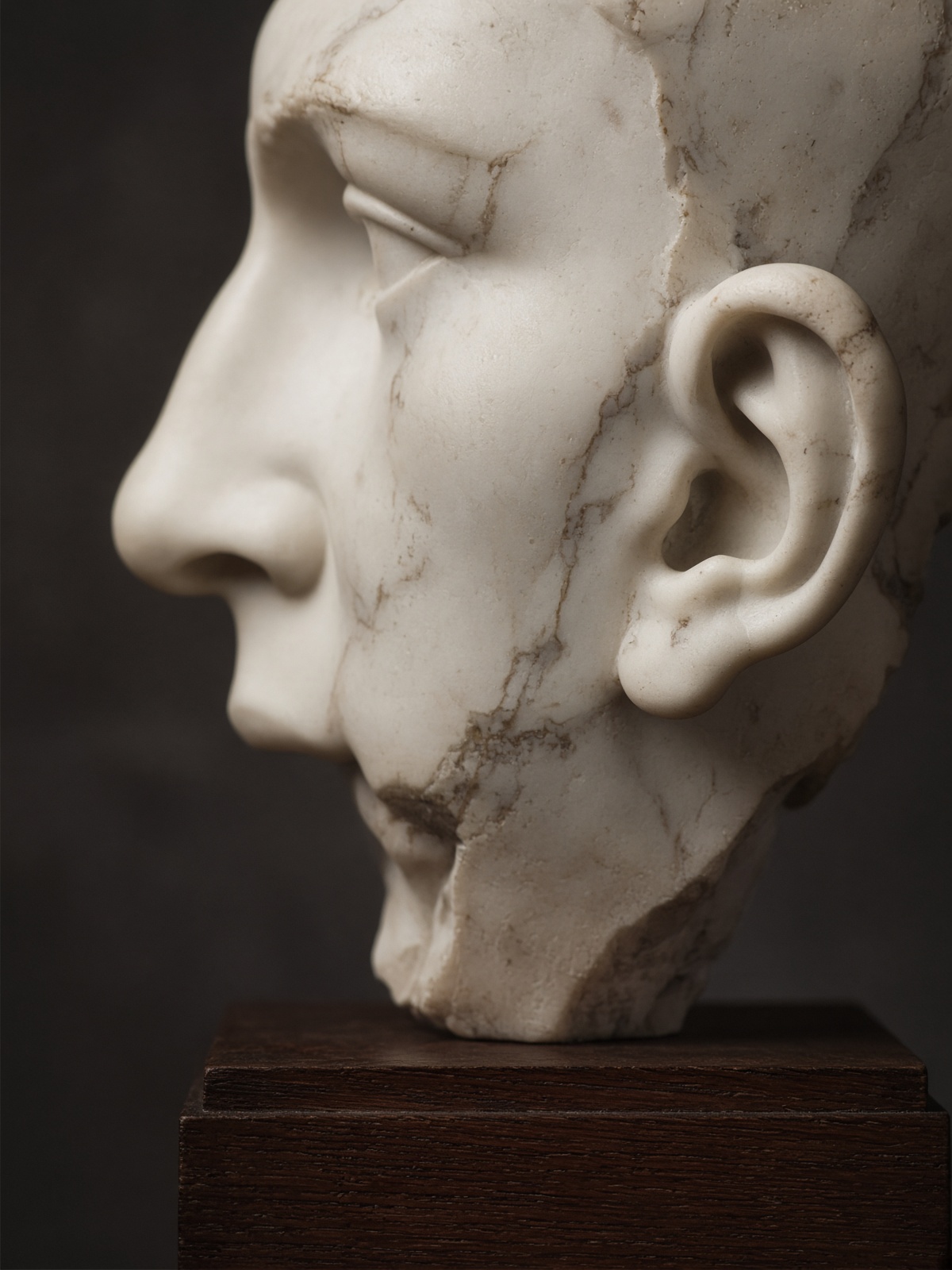
03 · A craft taught by his father
Ear surgery & hearing
Ear disease is the quiet work of ENT, and in this house it is also an inheritance. Dr. Saifullah Mir was taught ear surgery by his father, Dr. Fasih Ullah Mir, whose name remains on the Malir hospital. The list covers diagnostics of ear disease, audiological testing, myringotomy and grommet insertion, tympanoplasty, and medical management of discharge, wax, and sudden hearing change. The range extends to anterior and posterior skull base surgery. Vertigo and balance are assessed in clinic rather than dismissed as ‘just dizziness’.
- Tympanoplasty and middle-ear surgery
- Anterior and posterior skull base surgery
- Hearing evaluation and glue ear
- Vertigo, tinnitus, and balance
- Ear cleaning and discharge care
04 · Throat, thyroid, glands, voice
Head & neck
Beyond the nose, the practice takes on throat and neck disease: tonsillectomy and adenoidectomy, laryngoscopy, snoring and sleep-apnoea assessment, and thyroid diagnostics. Dr. Mir is the pioneer of sialoendoscopy (2025) and Eustachian tube dilatation (2024) in Pakistan. Laser-assisted head and neck cancer surgery is offered with careful case selection and good reported outcomes.
- Tonsil and adenoid surgery
- Sialoendoscopy — pioneer in Pakistan, 2025
- Eustachian tube dilatation — pioneer in Pakistan, 2024
- Laser-assisted head and neck cancer
Before you decide
Questions
Is rhinoplasty only cosmetic?+−
Not in this practice. Many patients come for a change in appearance and leave also breathing more easily. Septum, turbinates, and the external shape are planned together. Cosmetic-only and function-only cases are both seen.
How do I book?+−
The fastest route is WhatsApp or a call to 0303 2689866 (Fahad). You can also send a request from the Book page. Mention the clinic you prefer — Clifton, DHA, or Malir — and a brief note on the problem.
What should I bring to a first visit?+−
Any previous scans (CT of the sinuses, audiograms), a list of medicines, and a clear account of what bothers you: blockage, snoring, hearing, dizziness, or the change you want in the nose. Photographs help for rhinoplasty planning.
Do results vary?+−
Yes. Every operation is individual. Healing, anatomy, and goals differ. What you see in interviews and photographs is not a guarantee; it is a record of other people’s care. A consultation is where your own plan is made.